In the evolving landscape of online slots, one intriguing trend has emerged: some slot games deliberately adopt a retro slot design that looks reminiscent of vintage arcade or 8-bit console games. While the gaming industry is rapidly shifting towards cinematic presentations with high-definition graphics and immersive worlds, a notable subset of slot titles opts for minimalist visuals and pixelated aesthetics that echo simpler, earlier digital eras.
Why are developers making this style choice? What drives the decision when the technology at their disposal could create hyper-realistic, flashy reels? In this blog post, we’ll explore the motivations behind retro slot design, the impact of mobile-first interfaces and touch controls, and how firms like NetEnt and operators such as MrQ are shaping player experiences with distinct visual strategies. We’ll also look at how journalistic coverage by agencies like the Associated Press helps in understanding trends, while engagement tools like Disqus amplify community discussions on these themes.

From Simple Reels to Cinematic Slot Experiences
In the early days of slot machines—both physical and digital—the games displayed simple reels with a handful of symbols: fruits, bars, lucky sevens, cherries, and the like. These visuals did their job efficiently, helping players quickly identify paylines and wins. However, the industry has evolved dramatically.
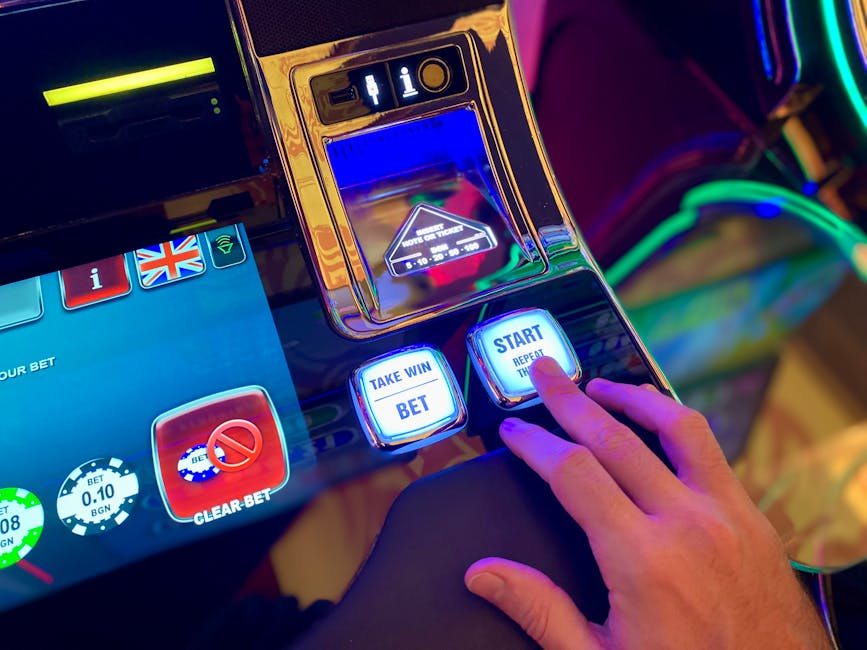
Today’s online slots can resemble blockbuster movie productions. Studios like NetEnt have pioneered slots featuring rich storylines, real-time animations, voice acting, and layered scenes that unfold as part of the gameplay. These cinematic slots immerse players within expansive worlds through compelling theme and audio-visual synergy.
This evolution pushes a few benefits:
- Engagement: Players feel transported into story-rich environments, enhancing playtime and retention. Variety: Developers create distinct games that stand out within vast libraries. Monetization: Narrative layers offer opportunities for bonus rounds and interactive features that encourage betting.
Theme and World-Building Do More Work Than Symbols
In modern slots, the symbols on the reels themselves sometimes take a backseat to the overall environmental design. Instead of relying purely on jewel or card suit icons, slots build immersive atmospheres—ancient temples, futuristic cities, pirate ships—that give players a sense of adventure.
This trend puts greater emphasis on cohesive theme and world-building. Animated backgrounds, dynamic soundtracks, and interactive elements can significantly influence the perceived value and appeal of slots. As a result, developers invest heavily in art https://xn--toponlinecsino-uub.com/what-makes-a-slot-feel-polished-compared-to-older-ones/ direction and narrative structure, making the slot experience richer and more complex than just spinning reels.
Why Retro Slot Design and Minimalist Visuals Remain Popular
Given the push towards cinematic complexity, it might seem counterintuitive for some studios and casinos to embrace retro slot design styles on purpose. Yet, this deliberate harkening back is motivated by several important factors.
Visual Nostalgia and Authenticity: For many players, retro slots evoke memories of classic arcade and early video game experiences. This familiarity taps into nostalgia, creating an emotional connection that modern high-fidelity graphics may not replicate. Style Choice and Differentiation: With gaming libraries containing thousands of titles, it is critical for games to visually differentiate themselves. Minimalist visuals offer a unique, distinctive look that stands out on crowded platforms, grabbing players’ attention. Focus on Gameplay Over Flash: Some players prefer straightforward gameplay without sensory overload. Retro-inspired slots prioritize core mechanics and easy-to-understand interfaces, appealing to those seeking simplicity.Big Game Libraries Force Stronger Visual Differentiation
Platforms like MrQ host hundreds—if not thousands—of slots from multiple studios. In such vast libraries, visual overcrowding becomes a real issue. Each title competes for attention on mobile and desktop lobbies, storefronts, and search results.
To help games stand out, studios use distinctive art styles as branding tools. Retro slot design, with its pixelated fonts and blocky symbols, functions like a unique visual signature. Players may scroll past dozens of photorealistic themes but pause on something that reminds them of their early gaming days.
Mobile-First UI and Touch Controls Shaping Slot Layouts
The dominance of mobile gaming has profoundly influenced slot design choices. Unlike PCs, where keyboard and mouse control allow precision, mobile players rely on taps and swipes. This affects UI structure and visual prioritization.
- Simplified Visuals: Retro and minimalist designs translate well to smaller screens. Less graphical noise improves readability and reduces load time. Bigger Interactive Elements: Stylized symbols in retro slots tend to be simple shapes, making touch targets larger and easier to interact with. Layout Optimization: Developers consider hand ergonomics in design, favoring bottom-positioned spin buttons and clear payline indicators that work on one-handed devices.
MrQ’s platform, for example, demonstrates how operators integrate mobile-friendly UI that complements both lush cinematic slots and stark retro games. Their use of tools like Disqus for community feedback further informs iterative design improvements, ensuring that visuals and controls feel intuitive.
Balancing Retro Aesthetic with Modern Expectations
While the minimalist retro style owes its appeal to simplicity, designers must balance this with contemporary players’ expectations for fluid animations and smooth experiences. Many slots marry classic pixel art with subtle particle effects, dynamic lighting, and responsive sound design to feel fresh yet familiar.
Industry Perspectives: The Role of Media and Operators
The Associated Press and other reputable media outlets regularly cover shifts in online gambling trends, including the resurgence of retro slot design styles. Their analyses often highlight how market demands and player demographics influence game art direction.
Meanwhile, operators like MrQ act as pivotal platforms where developers and players converge. By curating diverse types of slots—from ultra-modern to retro-inspired—they accommodate a wide range of tastes and preserve the heritage of gaming aesthetics.
Community Engagement through Comments and Reviews
Technologies such as Disqus empower players to discuss and critique slots directly below articles and platform Learn here listings. This user-generated feedback provides valuable insight into how retro slot design is received in real-world contexts, shaping future design decisions.
Conclusion
The deliberate use of retro slot design and minimalist visuals in today’s slots is far more than a simple throwback. It is a thoughtful style choice driven by nostalgia, the need for visual differentiation, mobile-first considerations, and a desire for gameplay clarity.
While cinematic slot experiences attract players seeking immersive worlds and intricate stories, retro-themed slots continue to thrive by delivering simplicity, charm, and usability—especially on mobile devices. Companies like NetEnt and operators such as MrQ exemplify this balance, showcasing the enduring appeal of vintage aesthetics in a modern gaming ecosystem.
As the industry grows and player preferences diversify, expect retro slot designs to maintain their place alongside blockbuster productions, each fulfilling unique player needs in the competitive casino market.