If you've ever sat down to play a slot machine expecting to lose only about 4%, based on a 96% Return to Player (RTP) figure, but walked away feeling like you lost way more, you’re not alone. Many players notice this https://casinocrowd.com/is-rtp-verified-or-can-casinos-just-make-it-up/ disconnect and wonder why the numbers don’t seem to add up.
Let’s break down why your session results can differ so much from the advertised RTP, what role recycled wagering plays in your losses, and why volatility (variance) makes your playing experience far from smooth. Along the way, we'll mention important industry regulators like the Gambling Commission, independent auditors such as eCOGRA, and how sites like Mr Q ensure fair play. We’ll also show you which tools can help you better understand your results, like the game’s information panel and the role of a Random Number Generator (RNG).
Understanding RTP: It’s Not What You Think
Whenever you look up a slot game’s details, you'll see an RTP percentage—say, 96%. This number is often presented in marketing as the amount you’ll "get back" from your wagers. But that’s simplistic and misleading.
What RTP Really Means
RTP stands for Return to Player. A 96% RTP means that, on average, the game will pay back 96 cents for every dollar wagered over the long term. Conversely, the casino’s advantage, or house edge, is 4% (100% - 96%).
Term Meaning RTP(Return to Player) Average percentage of money returned to players over millions of spins House Edge Percentage the casino keeps on average (100% - RTP)
This average over "millions of spins" is what some gambling sites and auditors like eCOGRA verify to ensure fairness. But here’s the catch: RTP is about the long-run. Your own gaming session is usually way too short to see this average in action.
Session Average vs. Theoretical RTP
When you play slots for just a few hours—or even a few hundred spins—you’re experiencing what’s called variance short term or session swings. The outcomes of your spins can widely deviate from the RTP. Yes, you might lose way more than the 4% house edge during your session, or you might even end up ahead. But this variance means your experience rarely matches slot volatility meaning the theoretical RTP exactly.
To know the RTP for real, it requires huge samples of bets. This is why the Gambling Commission mandates rigorous testing of the slot’s Random Number Generator (RNG) to make sure the probabilities align with the stated RTP over millions of spins.
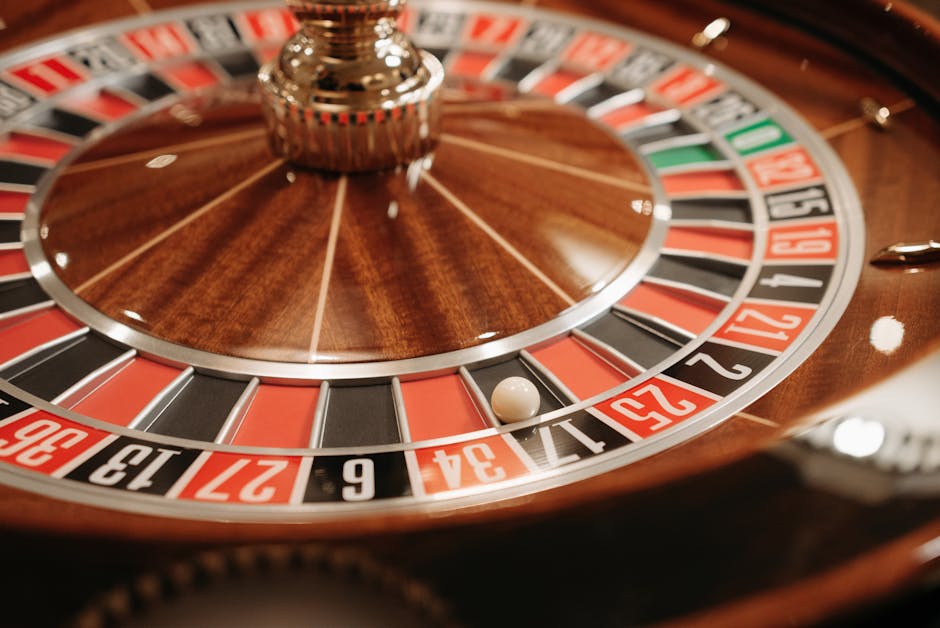
Volatility Changes the Ride, Not the Price
Volatility—sometimes called variance—is how “bumpy” your slot session feels. It refers to the size and frequency of wins:
- Low volatility: smaller, more frequent wins (less swing) High volatility: bigger, less frequent wins (more swing)
If you play a high volatility slot, it’s common to experience long losing streaks before a big win. If it’s low volatility, the wins happen more often but tend to be smaller.
Volatility affects your session experience but does not change the RTP or house edge.
Why Do I Often Lose More Than the House Edge?
Beyond variance and volatility, there’s another big reason your outcomes seem worse than the 4% loss you expect: recycled wagering.
What Is Recycled Wagering?
Recycled wagering happens when bonuses—and sometimes deposits—require you to bet your money (or bonus money) multiple times before you can withdraw winnings. This is common on sites like Mr Q and others licensed and overseen by the Gambling Commission.
Example: You get a £10 bonus with a 30x wagering requirement. That means you must place £300 in bets before you can cash out. Since slot games have a house edge, the more you bet, the more you’re statistically expected to lose.
How Recycled Wagering Increases Your Expected Loss
Scenario Total Bets Placed RTP Expected Return Expected Loss Single £10 bet £10 96% £9.60 £0.40 £10 bonus with 30x wagering £300 96% £288 £12See how the losses get recycled and ramp up as you bet more? This is important to understand because many players feel frustrated when, despite a "fair" RTP of 96%, their bonuses quickly vanish after extensive wagering.
Tools to Verify RTP and Fairness
Game Information Panel
Most online slots have an info button, often displayed as a question mark or “i” icon. The game information panel provides key details including:
- The RTP percentage Paytable and winning combinations Bonus features explanation Volatility indicator (sometimes)
Always check this panel before you start playing. It provides official figures backed by the software provider.
Random Number Generator (RNG) Testing & Auditing
Reliable slot games rely on an RNG to ensure the results are unpredictable and fair. Both the Gambling Commission and independent test labs like eCOGRA verify these RNGs regularly.
This testing ensures the slot game produces outcomes consistent with its stated RTP and variance when played over millions of spins. Choosing casinos that hold valid licenses and certifications like Mr Q ensures you can trust the fairness of these games.
Reality Check: Spins per Hour and Your Actual Losses
Understanding how many spins you can make in an hour is essential to grasp your real losses.
- Typical spins per hour: about 250 to 500, depending on game speed and bet size Example: At 96% RTP and 400 spins per hour, betting £1 each spin, your theoretical loss is:
But due to variance and volatility, your losses in one hour might be £30 or even £0 if you're lucky. Over many thousands of spins, your results will tend to settle around the expected loss. The session swings you feel are normal and unavoidable.
Summary: Why You Feel Like You Lose More Than 4%
RTP is long-term only: Your short slot session (variance short term) can vary widely, making losses look worse. Volatility ups and downs: Your ride on slots can be bumpier with big losses followed by big wins or vice versa, but RTP stays consistent long-term. Recycled wagering inflates total betting: Betting the same money multiple times on bonuses increases your expected losses, sometimes well beyond the base 4% house edge. Your session length and spin speed matter: You might not be playing enough spins to see RTP averages, and your emotions might interpret losses more harshly. Use tools and licensed sites: Check the game info panel, play on Mr Q or similarly regulated platforms, and rest assured the RNG is tested by the Gambling Commission and eCOGRA for fairness.Final Advice
The best way to enjoy slots is to understand that each spin's result is random. The RTP isn’t your refund tonight—it’s an average over millions of spins. Be skeptical of feeling "due" for a win. Manage your bankroll wisely, keep an eye on wagering requirements, and remember that big swings are part of the ride.
And finally, always choose casinos like Mr Q, regulated by the Gambling Commission and monitored by firms like eCOGRA, to ensure your play is on fair, reliable games.
With the right mindset and knowledge, you can better enjoy your slot sessions and avoid feeling like you’re losing more than the numbers suggest.