Every offseason, as college football’s landscape slowly comes into focus, fans and bettors alike start flocking to sportsbooks and media sites to examine futures discussion, dissect preseason markets, and ride the wave of buzzing offseason storylines. But why do so many live betting odds fans — not just the bettors — get hooked on odds and lines months before kickoff? It’s an intriguing shift, driven by a mix of curiosity, strategy, and the evolving nature of sports media.
The Allure of Betting Odds in the Offseason
For many, the final score of a game is the ultimate truth. But for those who track betting lines, the story is much richer. Odds reflect market sentiment, expert analysis, and hidden narratives — tons of context you miss just by looking at the scoreboard.
Platforms like the ESPN Sports Betting Section have made these lines more accessible than ever. Combine that with social media platforms flooding timelines with rapid updates, expert takes, and fan reactions, and you’ve got a perfect storm fueling early and intense engagement.
Final Scores vs. Betting Outcomes: Why They Don’t Always Match
One of the most common misconceptions is equating final score with “who won” in betting terms. This is a fundamental gap that early odds followers bridge by understanding these nuances:
- Point Spread: If a favorite wins by less than the spread, they lose against the line even though they won the game outright. Moneyline: It reflects just who won, but odds factor in the likelihood, so an underdog victory pays more. Totals (Over/Under): The betting market cares about the total combined points scored, which may tell a different story from who actually won.
This multi-dimensional engagement lets fans think beyond just wins and losses. It encourages a deeper appreciation for strategy, pacing, and game flow. So when fans track odds early, they’re cultivating an analytical mindset early, trying to understand how teams might behave against key betting metrics later.
Point Spreads and the Late-Game Meaning
Point spreads are designed to create a level playing field for bettors, but they have unique stories attached as seasons progress. In the preseason and futures markets, spreads help quantify expectations at an early phase, often reflecting offseason changes. However, close to game day, movement in spreads – especially last 30 minutes before kickoff – reveals insider info, sharp money, or unexpected news.
Watching these movements is like reading weather reports for a game’s atmosphere. This attention to detail is why fans track lines months early:
They want to see how public perception trends evolve from paint-dry offseason chatter to heated game week discussions. Early point spreads help identify teams that sportsbooks might undervalue or overvalue based on offseason rumors or transfers. Long-term changes in spread from the opening line to week 1 can signal breaking developments that could alter how a game unfolds.Totals and Pace: Why Basketball Fans Should Care Even Before Tip-Off
The betting market for college basketball isn’t just about who scores more—it’s intensely influenced by the pace of play. Totals (over/under lines) react not only to offensive and defensive talent but to how fast teams play, coaching strategies, and even weather when outdoor venues exist.
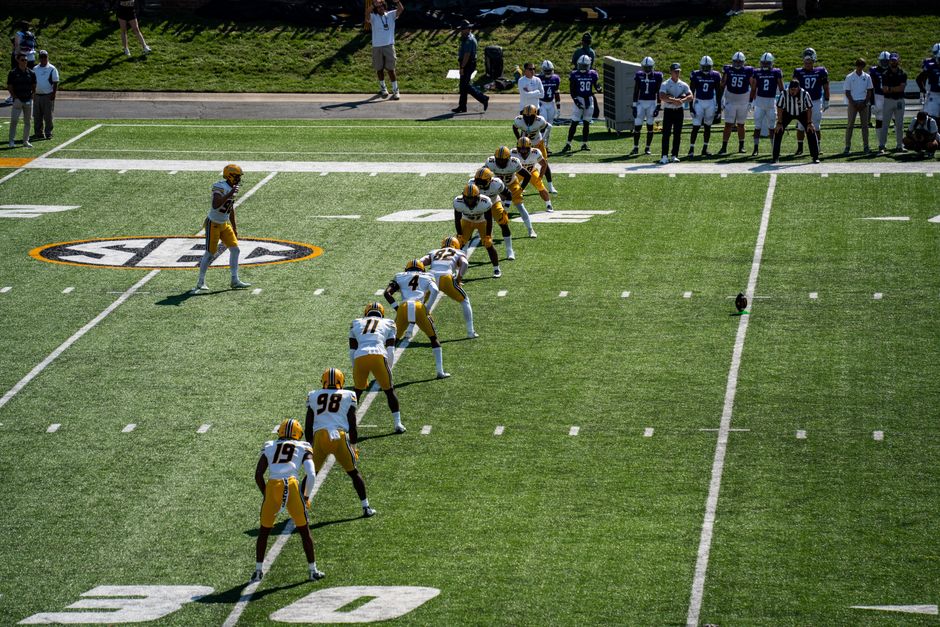
Following totals and pace data months in advance helps fans form educated guesses about likely scoring trends:
- Non-conference scheduling and known offensive schemes can tip early totals lines. Recruiting classes and transfers give hints on pace acceleration or slowdown. Early oddsmaker totals often factor in historical tempo but adjust as new info arrives.
Fans who track these numbers engage with basketball on a deeper analytical level, blending stats with video research and intangibles — a trend fueled by social media highlight reels and advanced analytics dashboards.
Matchup Research and Film-Stat Thinking: The New Normal
Another major reason fans latch onto odds early is to layer their own matchup research with what the sportsbook marketplace implies. Yet this isn’t just guessing; it’s about blending film breakdown with statistical analysis in a manner that goes beyond surface-level.
For example:
- Examining how a team’s defensive front lines up against a spread offense affects perception of point spreads. Studying pace control tendencies helps refine totals bets and inform how late-game time might affect scoring. Comparing historical head-to-head clashes provides context poorly captured by raw odds.
Social media amplifies this trend — fans share clips, charts, and heated debates, turning futures gambling into a collaborative, almost scholarly pursuit. Unlike viral picks that flood feeds with biased hot takes, matchup research mixed with line watching offers substance.
How Social Media and ESPN’s Betting Coverage Keep Fans Hooked
ESPN’s integration of a dedicated sports betting section has polished the art of delivering betting content to a mainstream audience. They balance educational content (without sounding like a textbook) with up-to-the-minute odds reporting, profiles on key players affecting futures markets, and expert picks.
This ties in perfectly with social media, where quick soundbites or data-driven infographics reach millions. Fans interact by:
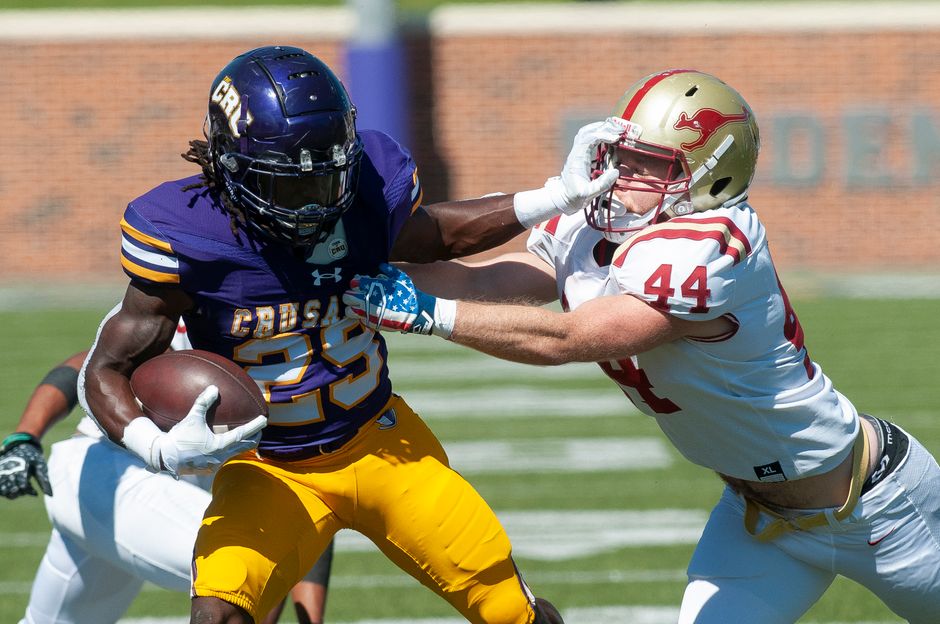
- Tracking early line releases and sharing thoughts on shifts Engaging with analysts via comments, threads, and live chats Using social platforms as real-time research tools to cross-reference rumors, injuries, and line moves
The synergy also nurtures a subtle but powerful shift: casual fans exploring betting slowly morph into more engaged, data-conscious followers. This isn’t always about placing bets but deepening connection to the sport through numbers and narratives.
Final Thoughts: The Value of Following Odds Months Before Week 1
Following odds long before the first whistle might have seemed odd a decade ago, but today it’s part of a broader cultural and analytical evolution among college football and basketball fans. The reasons boil down to:
Futures discussion offers early glimpses into team strengths and market expectations. Preseason markets help fans peek behind the curtain, decoding how off-field changes affect on-field possibilities. Engaging with point spreads and totals refines understanding beyond simple scores — teasing out game nuances like late-game tactics and pace. Layering in matchup research and film study deepens insight, moving fandom closer to informed analysis rather than just rooting for a team. Social media and accessible betting coverage (like ESPN’s) democratize information, turning evaluation into a communal, interactive process.So https://casinocrowd.com/how-to-explain-point-spreads-to-a-friend-during-a-game/ next time you see someone tracking lines in January or June, tip your hat — they’re not just gambling, they’re getting a jump on really knowing the game. And if you’re that fan, keep an eye on line moves about 30 minutes before kickoff, because that’s where hours of offseason chatter translate into real-time scoreboard stories.